NAVA | alma platform
Legacy products transitioned into a modernized tech platform


overview
overview
NAVA | Technology for Business is a Brazilian B2B technology company with over 26 years in the market, serving enterprise clients with infrastructure and monitoring solutions.
The Alma Platform was built to unify multiple legacy products, each with its own interface, tech stack, and design language, into a single cohesive platform.
NAVA | Technology for Business is a Brazilian B2B technology company with over 26 years in the market, serving enterprise clients with infrastructure and monitoring solutions.
The Alma Platform was built to unify multiple legacy products, each with its own interface, tech stack, and design language, into a single cohesive platform.
my Role
my Role
Lead Product Designer Leading a design team across information architecture, interaction and visual design, research, and the Alma Design System
Lead Product Designer Leading a design team across information architecture, interaction and visual design, research, and the Alma Design System
the challenge
Key Pain Points
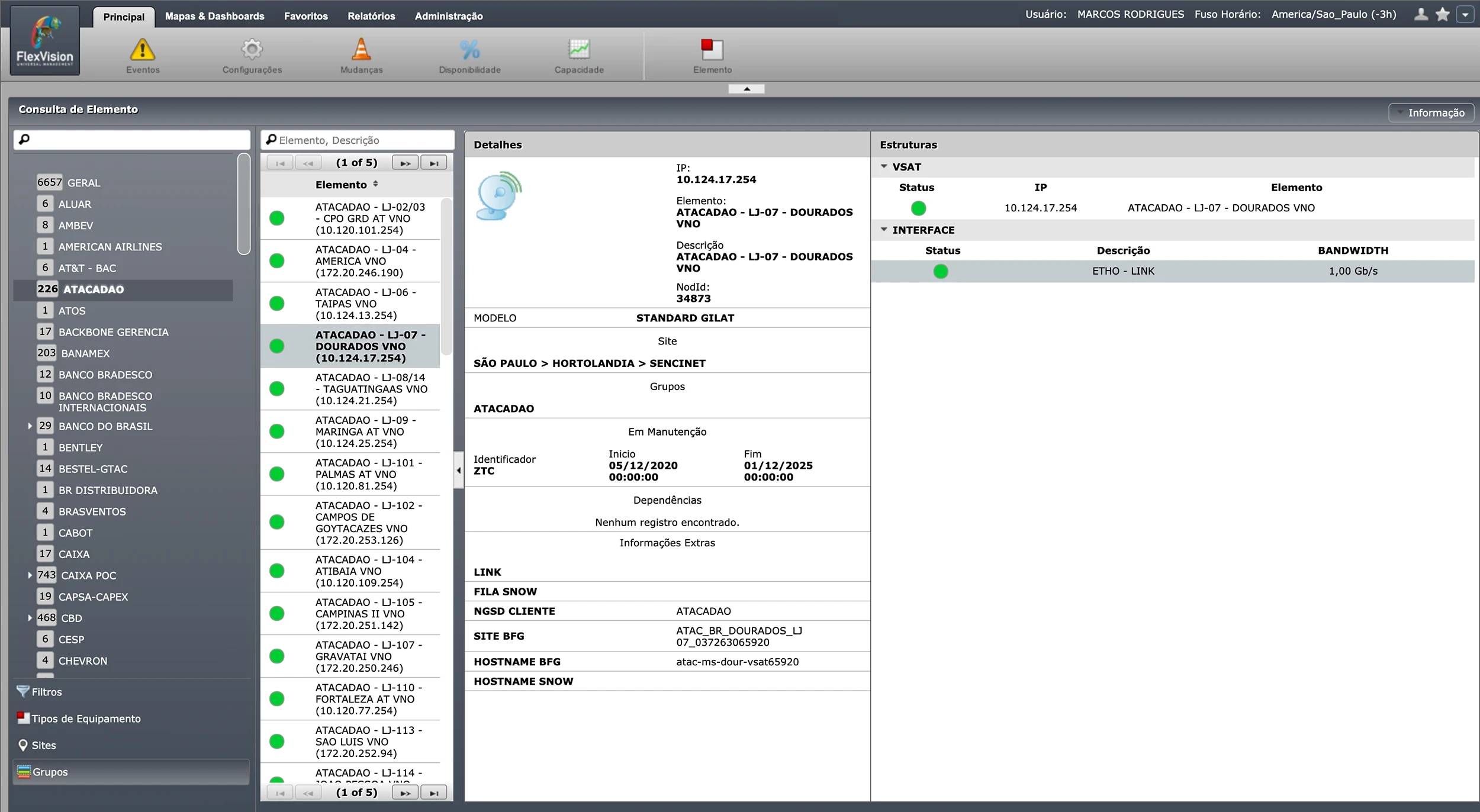
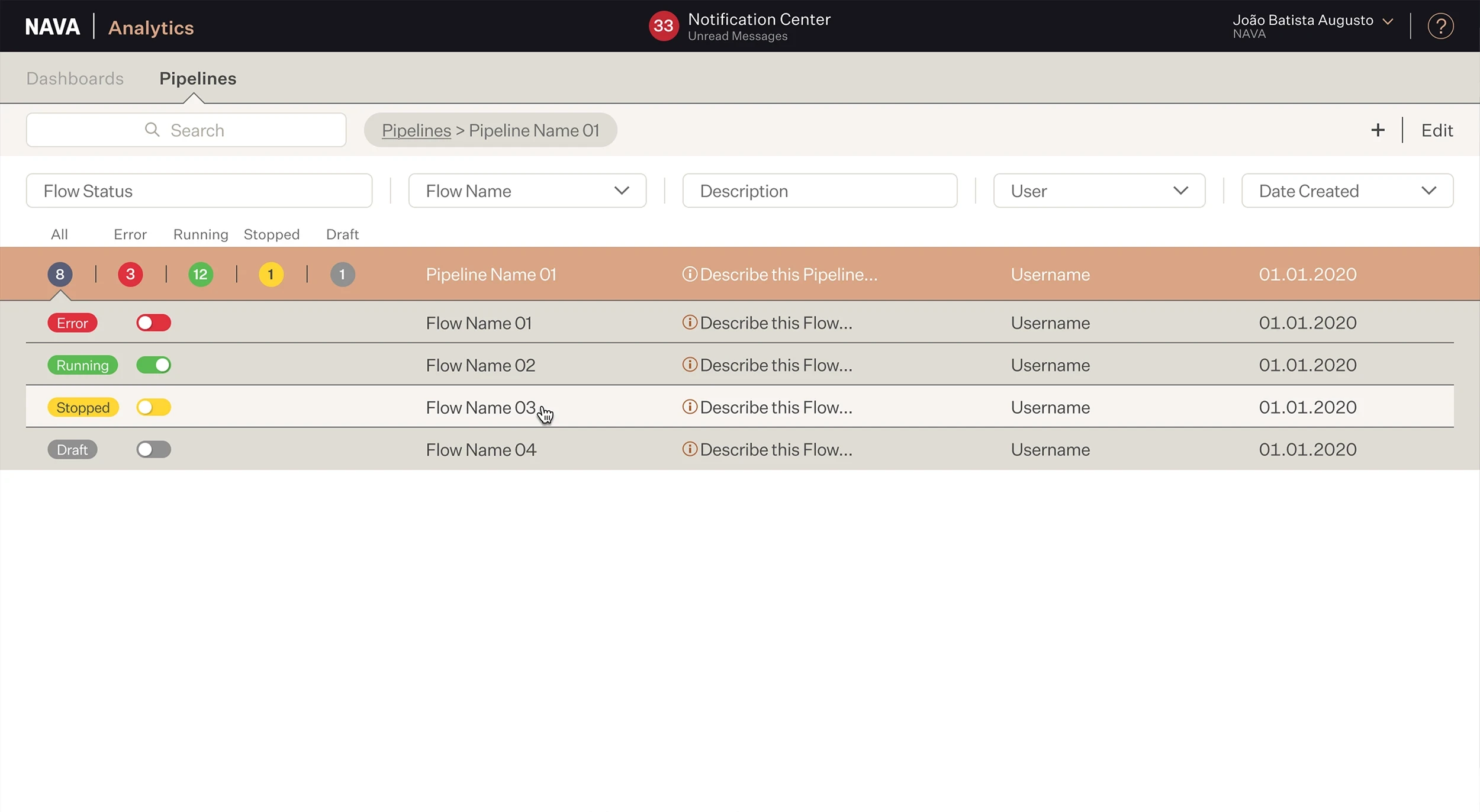
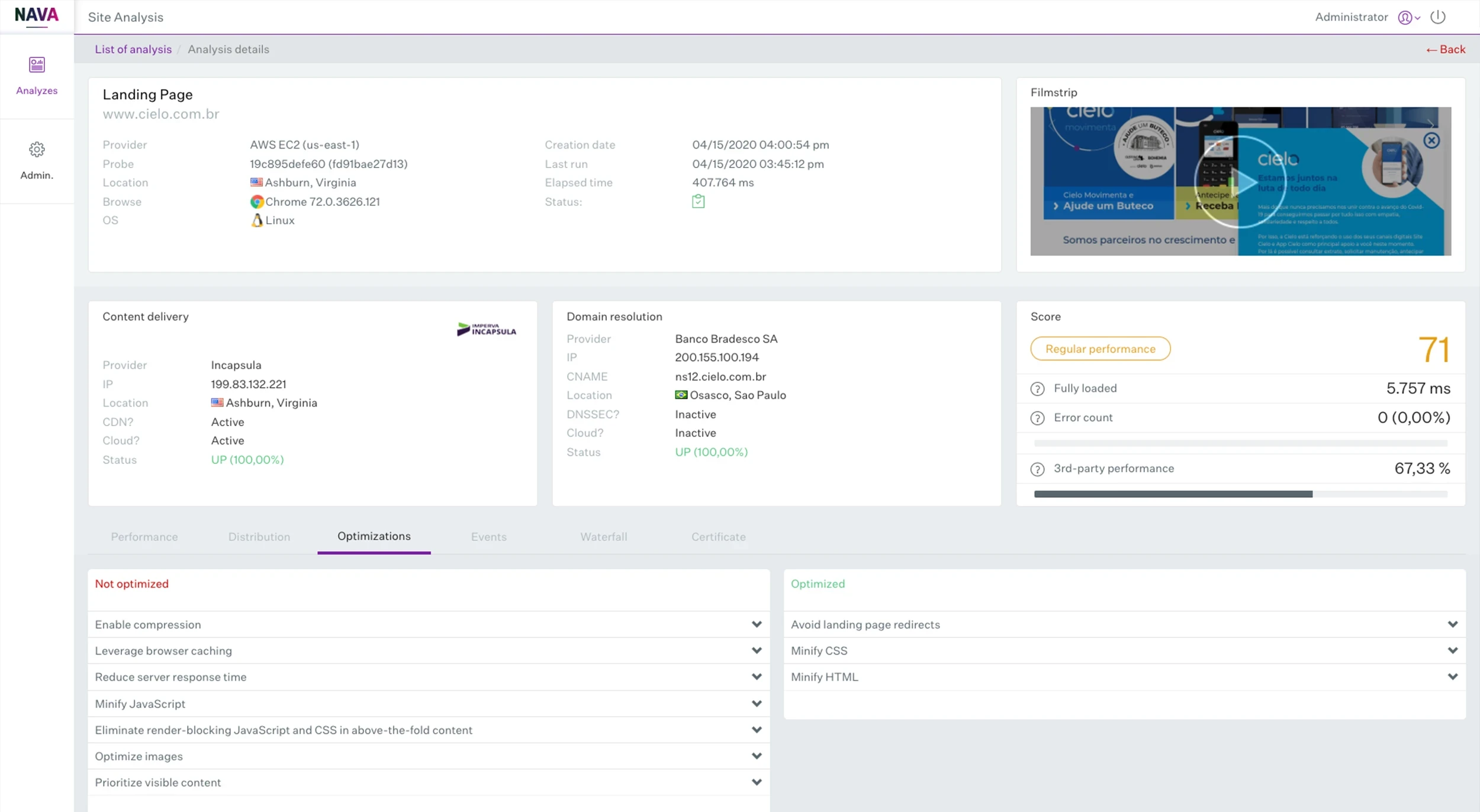
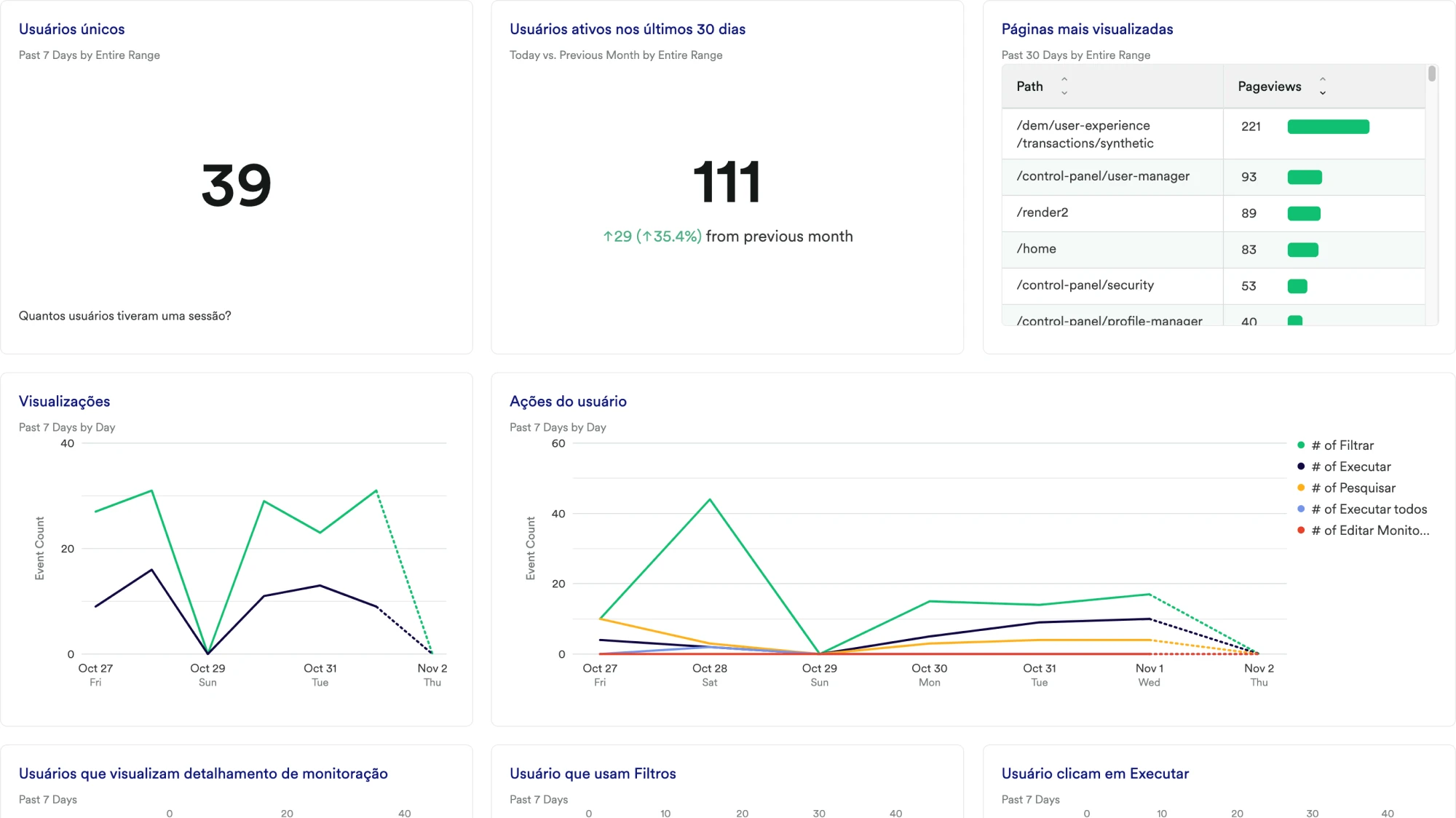
3 products and 3 completely different visual identities
1
Multiple disconnected systems were slowing down client operations and pushing them to look for alternatives. The products worked, but not together.
Multiple disconnected systems were slowing down client operations and pushing them to look for alternatives. The products worked, but not together.
2
Each product had its own visual identity. The inconsistency hurt brand recognition and made the experience feel fragmented. Three products, three completely different interfaces.
Each product had its own visual identity. The inconsistency hurt brand recognition and made the experience feel fragmented. Three products, three completely different interfaces.
3
The interfaces weren't shaped by user needs. Usability issues had accumulated over years without structured research or testing to address them.
The interfaces weren't shaped by user needs. Usability issues had accumulated over years without structured research or testing to address them.
4
There were no product metrics. No one knew which features were being used, where users struggled, or what to improve first.
There were no product metrics. No one knew which features were being used, where users struggled, or what to improve first.


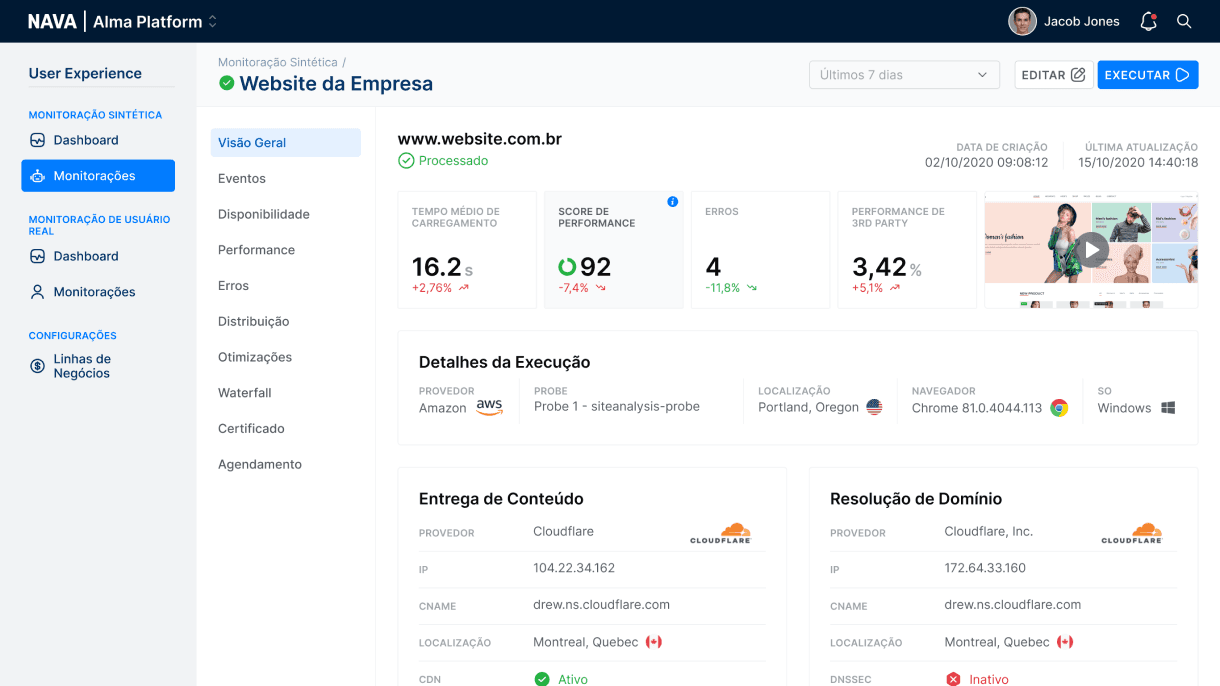


building the
Alma Platform
Alma Platform
Leading a team of designers, I set the direction to rebuild each product's weakest points into one coherent platform. Here's how we did it.
Structuring the information
We mapped the information architecture across all three products, creating a shared structural framework before any detailed design began.
We mapped the information architecture across all three products, creating a shared structural framework before any detailed design began.

Enhancing the flows
Enhancing the flows
We redesigned the core user flows, removing unnecessary steps and aligning the journey across products.
We redesigned the core user flows, removing unnecessary steps and aligning the journey across products.
We redesigned the core user flows, removing unnecessary steps and aligning the journey across products.
Defining the goals
Defining the goals
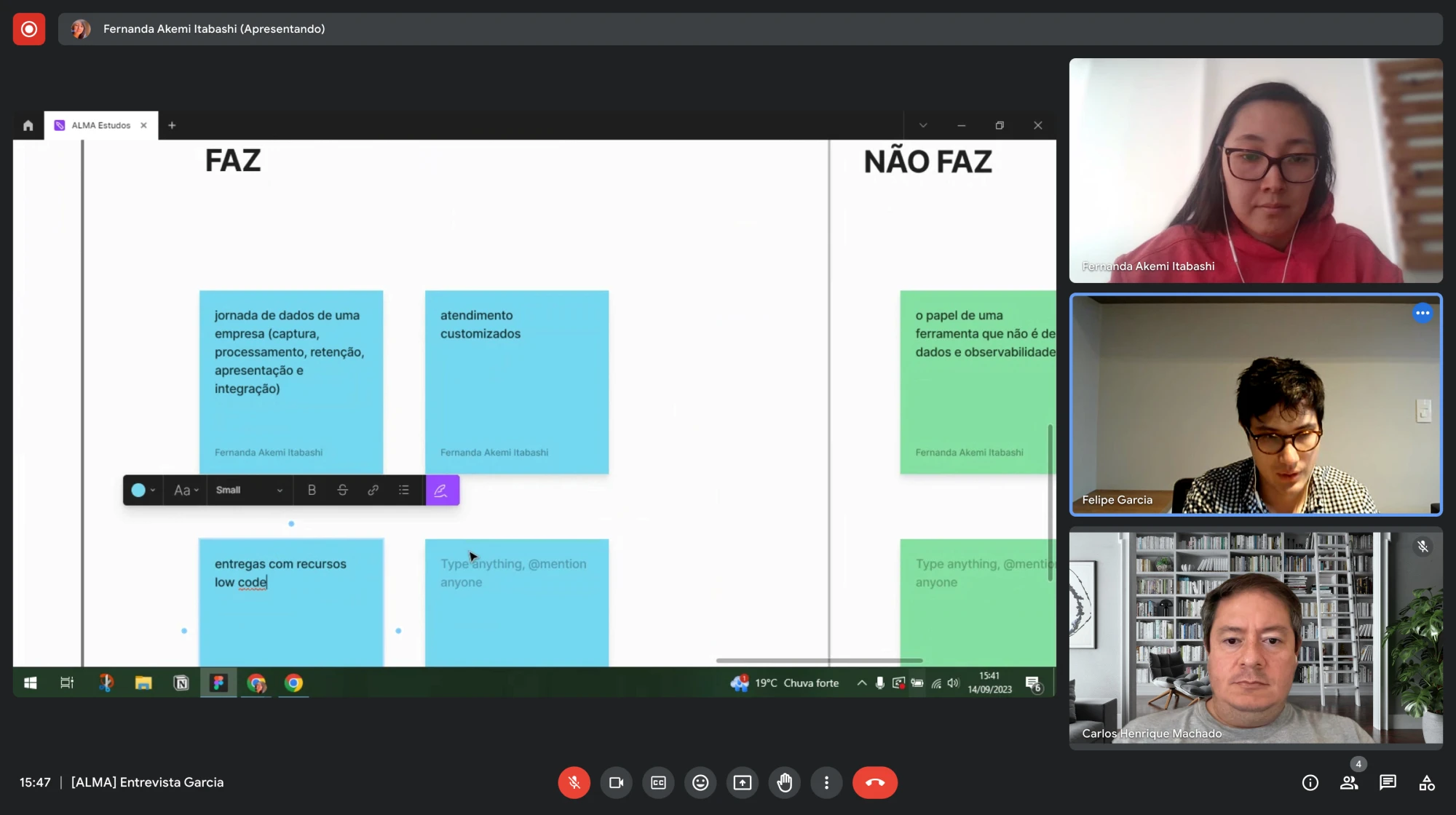
We ran structured interviews to understand user needs, expectations, and pain points, then mapped them against business objectives.
We ran structured interviews to understand user needs, expectations, and pain points, then mapped them against business objectives.
We ran structured interviews to understand user needs, expectations, and pain points, then mapped them against business objectives.
Validating the solutions
Validating the solutions
We validated early and often. Low-fidelity for structure, high-fidelity for interaction. Each round confirmed alignment with user needs before anything reached development.
We validated early and often. Low-fidelity for structure, high-fidelity for interaction. Each round confirmed alignment with user needs before anything reached development.
We validated early and often. Low-fidelity for structure, high-fidelity for interaction. Each round confirmed alignment with user needs before anything reached development.
The Alma Design System
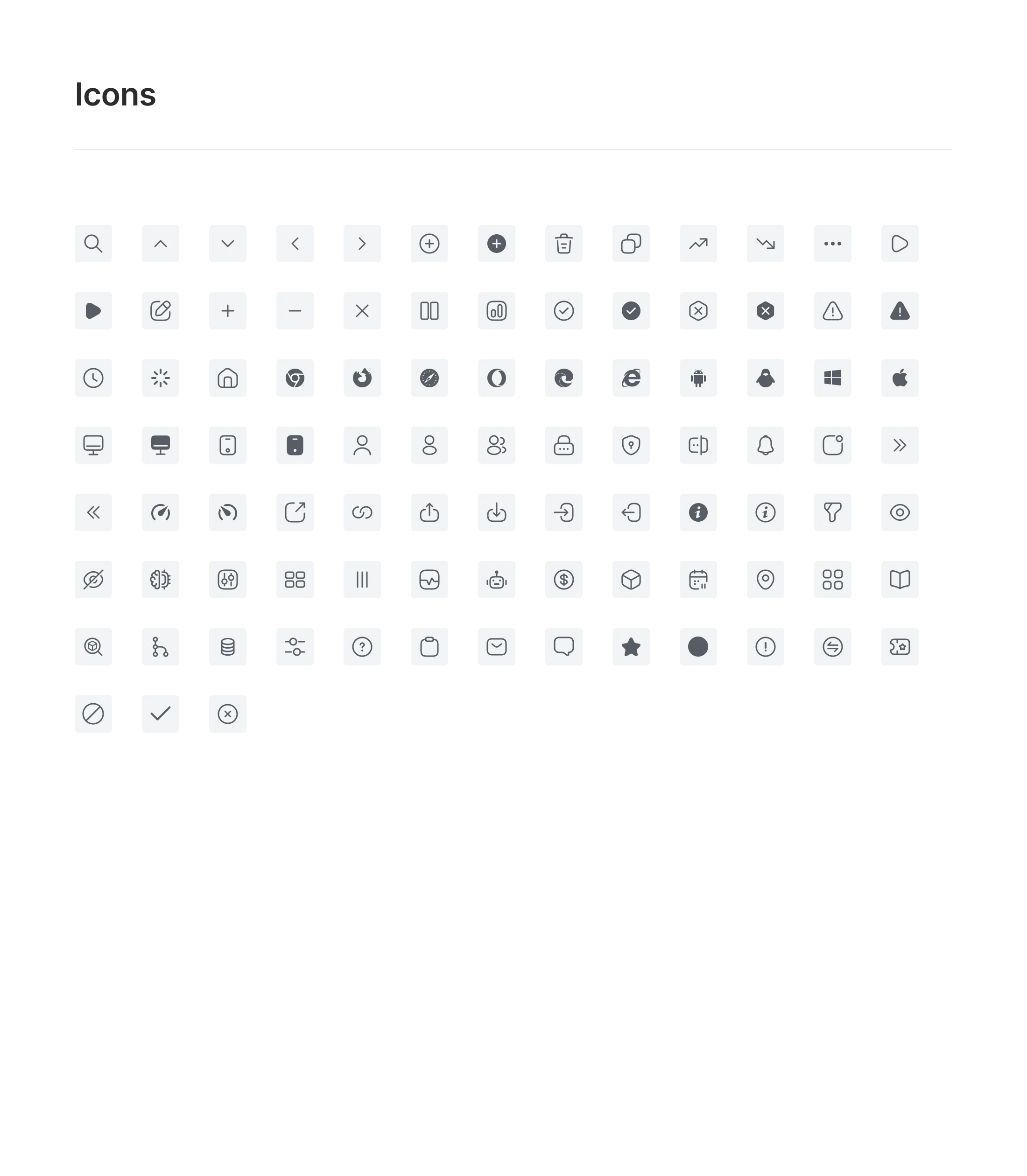
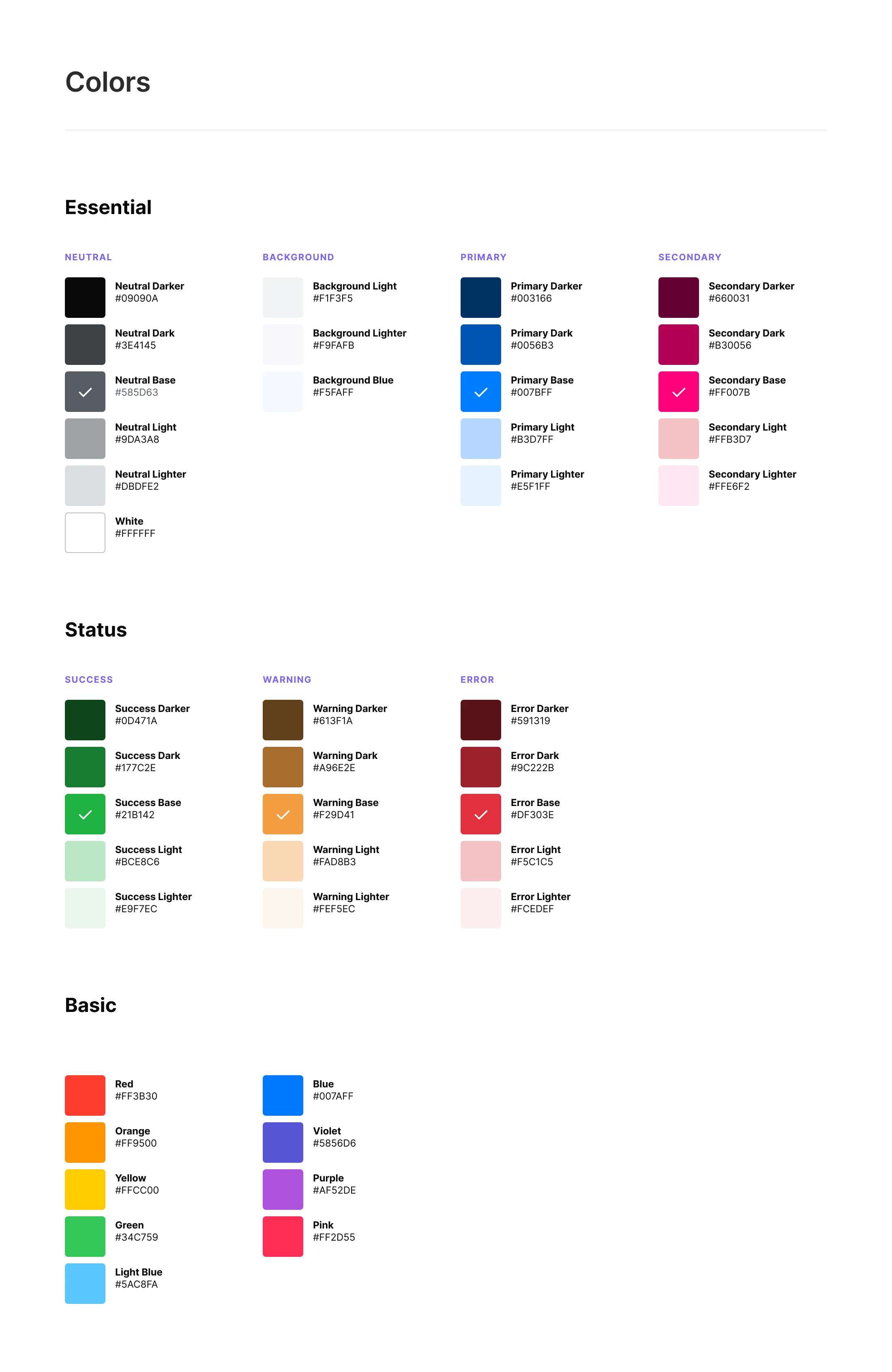
We built the Alma Design System to unify the visual language across all products. Shared components, tokens, and patterns that kept design and development in sync.
We built the Alma Design System to unify the visual language across all products. Shared components, tokens, and patterns that kept design and development in sync.


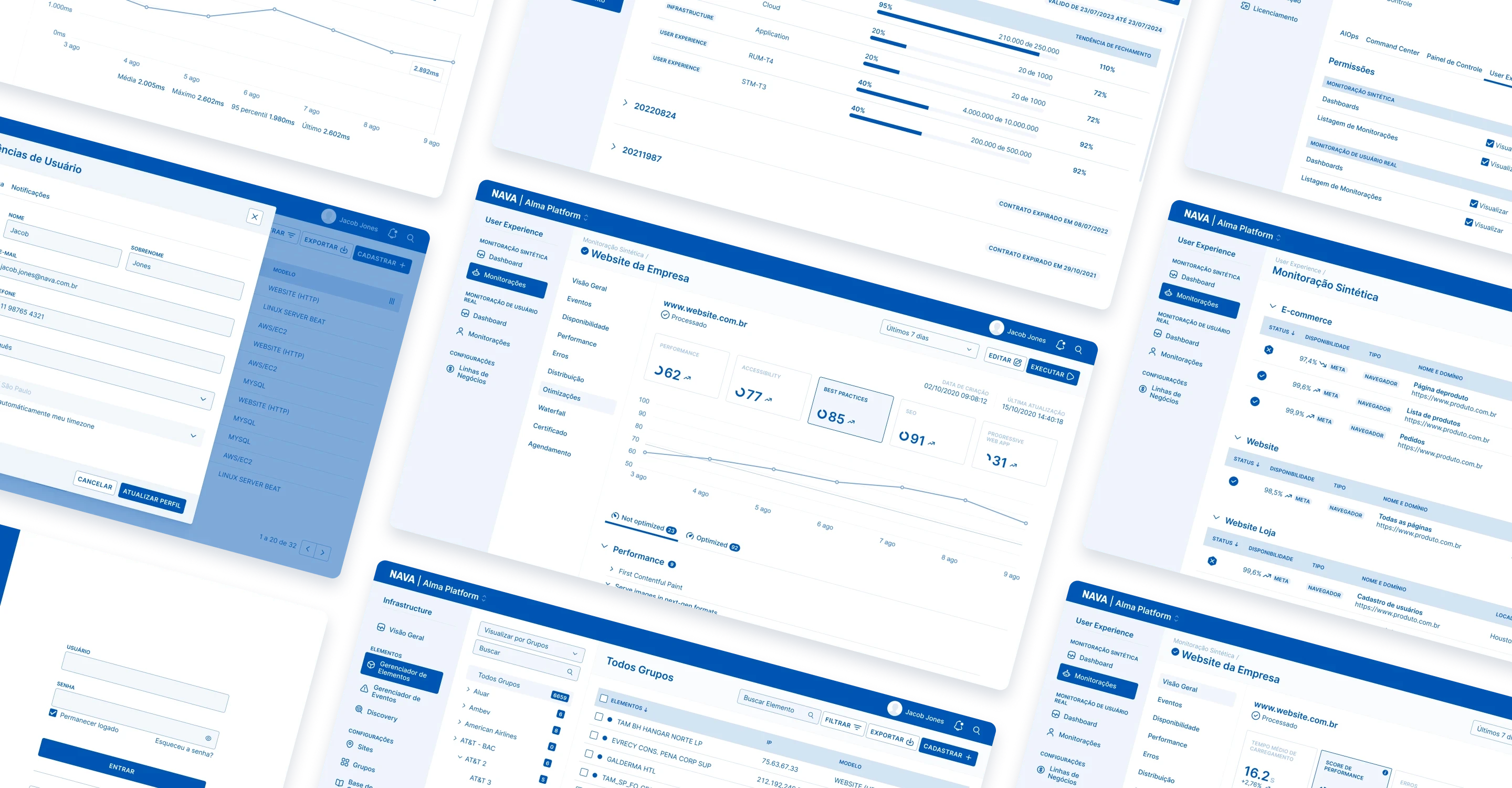
The result of the entire process
The result is a platform that feels like one product, not three stitched together. Consistent interface, shared components, and a design language that scales as new products are added.
The result is a platform that feels like one product, not three stitched together. Consistent interface, shared components, and a design language that scales as new products are added.

The Alma Platform so far
What the Alma Platform achieved after the redesign and unification process.
What the Alma Platform achieved after the redesign and unification process.
All
products integrated
on the platform
screens designed
net promoter score
faster in detecting issues
Enhancing Product Insights
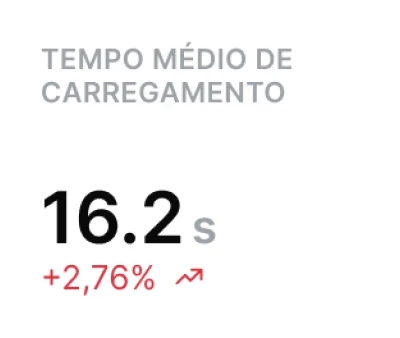
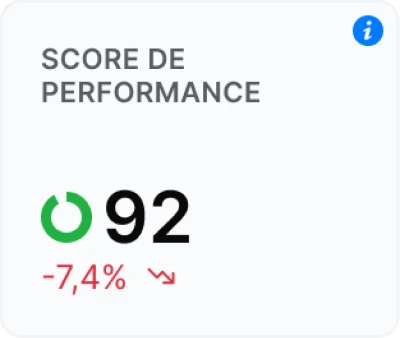
We implemented product analytics for the first time — tracking feature usage, session flows, and error rates to guide decisions with data instead of assumptions.
We implemented product analytics for the first time — tracking feature usage, session flows, and error rates to guide decisions with data instead of assumptions.